Hacking SEO: How I Engineered My Google Search Results
1. Introduction: The "Google Test"
When a recruiter, client, or fellow developer hears your name, what is the first thing they do? They Google you.
A year ago, searching for "Yunggi Alyana Rahman" might have returned a scattered mix of random social media or worse—nothing at all. Today, if you search my name, you will find a curated ecosystem: my LinkedIn, GitHub, portfolio website, and technical articles dominating the entire first page.
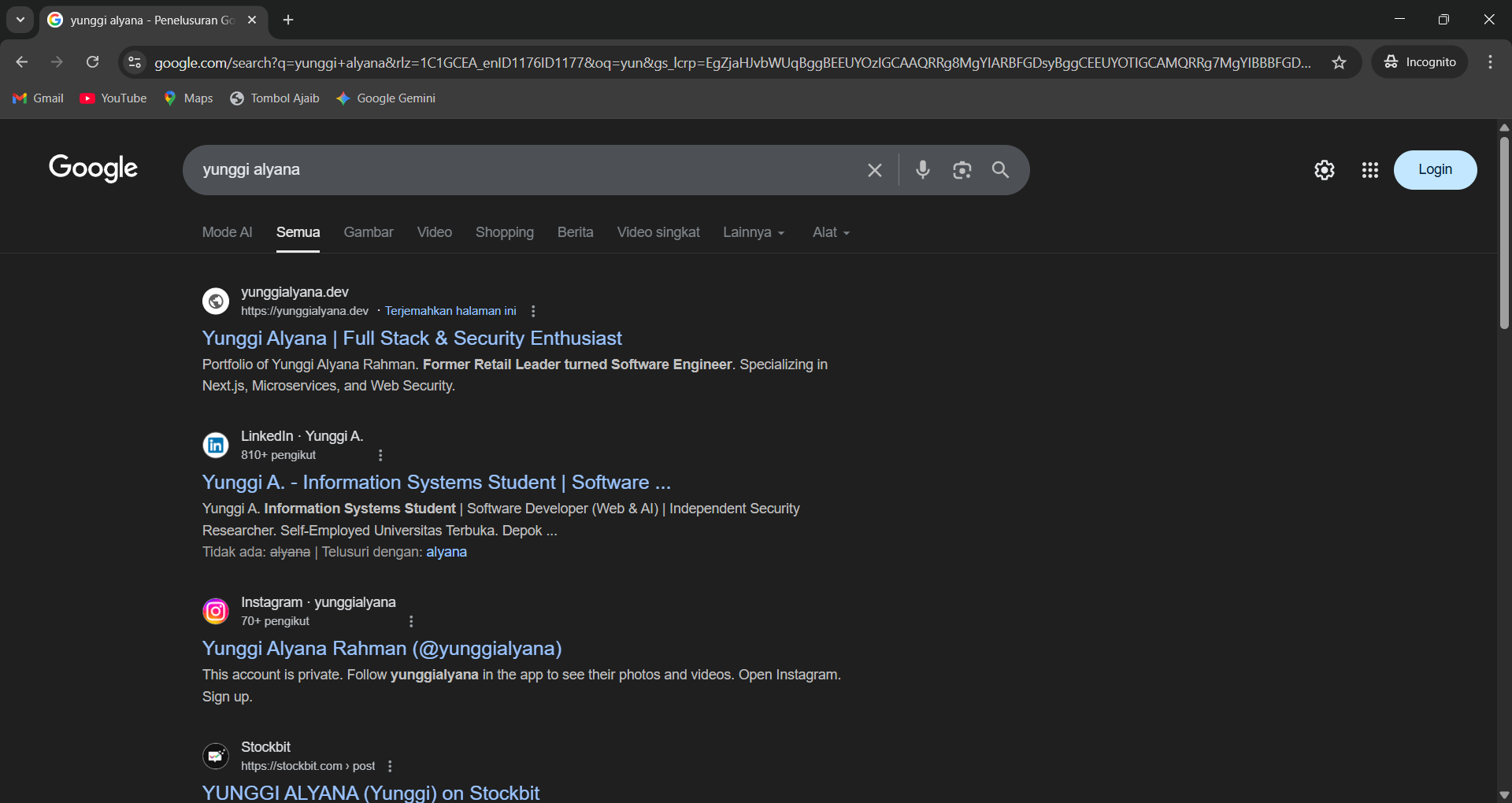 Figure 1: The ecosystem dominating the search results. My portfolio ranks #1, followed immediately by professional profiles.
This wasn't luck. It was a deliberate strategy of Personal SEO (Search Engine Optimization). As a developer, I decided to treat my digital identity like a software project: I engineered it.
2. The Philosophy: From Store Shelves to Google Shelves
You might wonder, why am I so obsessed with organizing search results? Ironically, my previous background in retail operations (Indomaret Group) taught me this.
In retail, we use a "Planogram"—a diagram that dictates exactly where every product sits on the shelf to maximize visibility. If a product is hidden at the back or placed too low, it doesn't exist to the customer.
I simply applied the Planogram mentality to my digital career:
- Google Page 1 is my "Eye-Level Shelf."
- LinkedIn & Portfolio are my "Premium Products."
- Technical Articles are the "Promotional Items."
3. The Strategy: Structured Consistency (The "Hybrid" Approach)
To execute this, I engineered a Hybrid Branding Strategy differentiating between my "Searchable Name" and my "Addressable Handle."
The Display Name (For Robots)
On high-authority platforms like LinkedIn and certificates, I strictly use my full name: Yunggi Alyana Rahman. This maximizes keyword density for specific searches.
The URL Slug (For Humans)
For URLs (GitHub, TikTok, Custom Domain), I standardized on the shorter version: yunggialyana (w/o Rahman).
4. The Market Analysis: Unique Privilege vs. The K-Pop Giant
I must acknowledge a variable in this equation: My Name.
- The Unfair Advantage (Long-Tail): "Yunggi Alyana Rahman" is a Zero-Competition Keyword. Unlike someone named "Rizky Pratama" who fights thousands of others, I face almost no "namespace collision."
- The Limitation (Short-Tail): However, if you search for "Yunggi", I lose. The entire first page is dominated by Min Yoon-gi (Suga from BTS). Trying to outrank a global superstar is futile, so I focused on being findable, not famous.
5. The Technical Secret Sauce: Structured Data (JSON-LD)
I didn't just rely on text; I spoke Google's native language. On my portfolio website, I implemented JSON-LD Schema Markup. This code explicitly tells Google who I am.
"Hi, this website belongs to Yunggi Alyana Rahman. He is a Software Developer. Here are his verified links..."
<script type="application/ld+json">
{
  "@context": "https://schema.org",
  "@type": "Person",
  "name": "Yunggi Alyana Rahman",
  "url": "https://yunggialyana.dev",
  "sameAs": [
    "https://www.linkedin.com/in/yunggialyana",
    "https://github.com/yunggialyana",
    "https://www.instagram.com/yunggialyana",
    "https://x.com/yunggialyana"
  ],
  "jobTitle": "Software Engineer",
  "worksFor": {
    "@type": "Organization",
    "name": "Indomaret Group"
  }
}
</script>
Figure 2: The actual JSON-LD code injected into my website head tag.
By feeding this structured data directly to the search engine, I eliminated ambiguity and accelerated the indexing process.
6. The Feedback Loop: Data-Driven Validation
As an engineer, I don't rely on assumptions; I rely on metrics. I monitor my traffic using Cloudflare Web Analytics to track requests and geography.
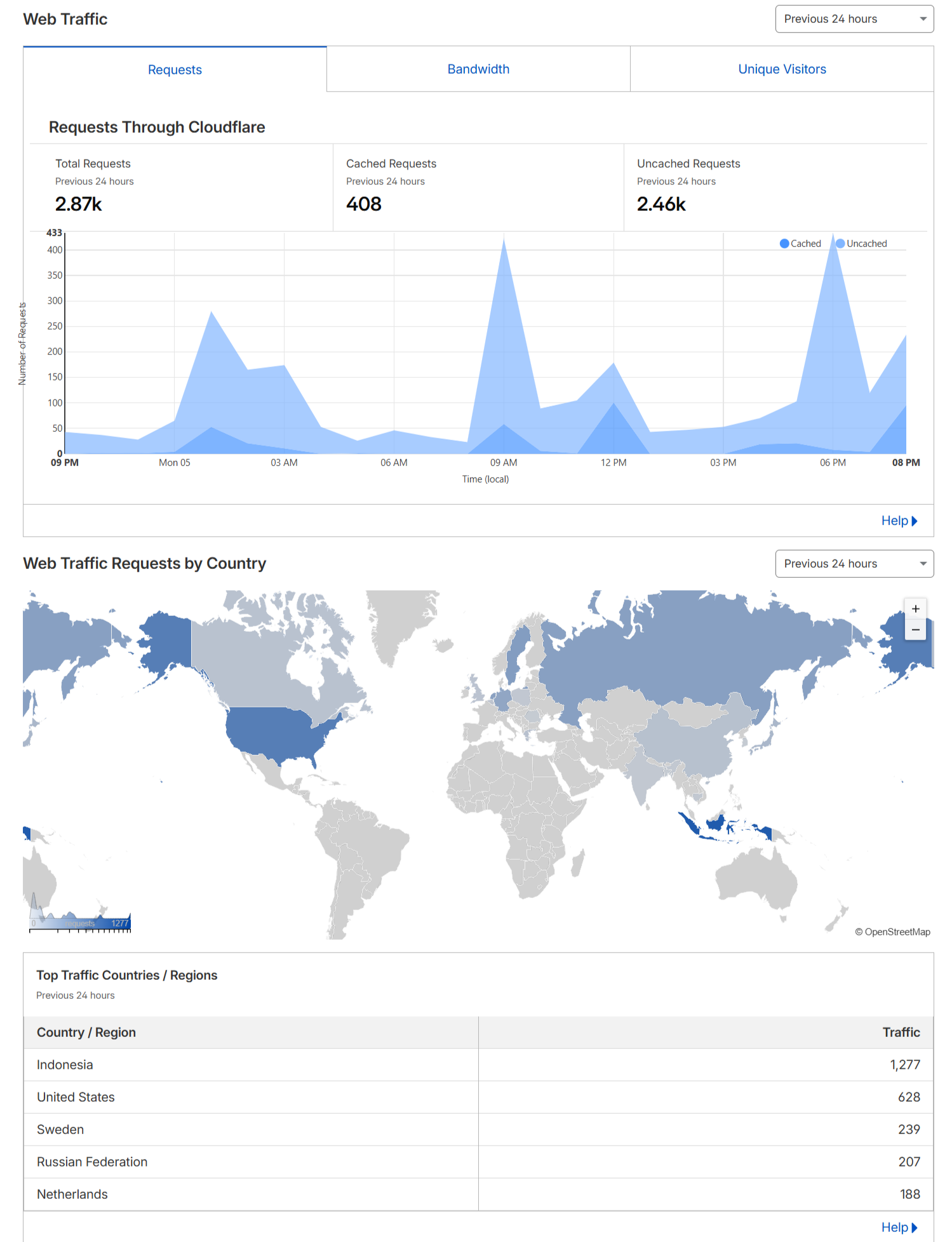 Figure 3: Tracking 2.87k requests and global distribution to validate visibility.
This data creates a feedback loop. Whether the traffic comes from recruiters in Indonesia or bots in United States, having visibility allows me to optimize my "digital shelf" constantly.
7. SEO as a Defense Mechanism
Finally, as a Security Researcher, I view "Search Engine Domination" as Defensive Branding. By filling the first page with legitimate, controlled profiles, I leave no room for impersonators or misinformation.
In cybersecurity terms, I have effectively "hardened" my digital surface area.
8. Conclusion
Your digital footprint exists whether you manage it or not. I chose to manage mine using the same principles I apply to my code: Efficiency, Structure, and Security.
Start by Googling yourself today. If you don't like what you see, start building.